 6 October 2026
Types of websites: which one your business needs
Static or dynamic, business website, online shop, landing page, blog, portfolio and booking website: what each one is and when it suits your business.
Types of websites: the question is what yours has to do
Types of websites can be sorted in two ways: by how they are built —static or dynamic— and by what they do: present the business, sell, capture leads, share what you know, show your work or take bookings. The first classification matters mostly to whoever codes it; the second is the one the business owner has to decide.
And hardly any small business needs just one type. The usual thing is a business website that, depending on the trade, includes bookings, a shop, a blog or a gallery of work. Knowing what each thing is helps you ask for what you need and not pay for what you don't.
Static and dynamic websites: the difference that affects you
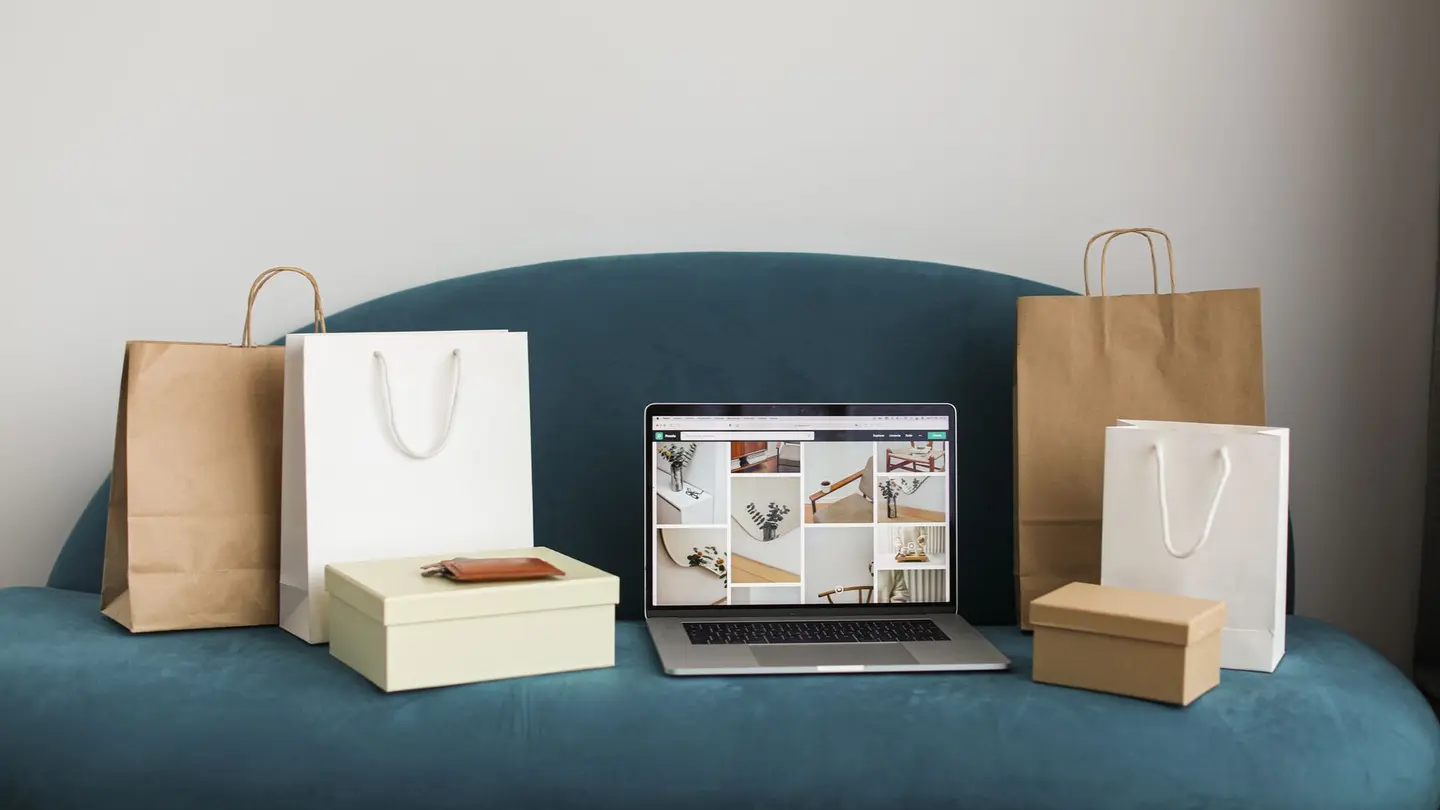
A static website is a set of fixed pages: what was written when it was built is what you see, the same for everyone. It is fast and cheap to host, but changing a price or adding a service means editing the files, and that usually means calling whoever built it.
A dynamic website is put together on the fly from what is stored in a database, and it is changed from a dashboard without touching code. That is what makes possible a blog that grows, a shop with stock levels or a calendar with today's free slots. WordPress and website builders make dynamic websites.
For a small business, the practical question isn't technical: who is going to change the website and how often? If it hardly ever changes and you don't need bookings or a shop, a static one is enough. If you are going to change prices, opening hours or photos every season, or you want people to book or buy, you need one you can change yourself.
 Keep readingWhat is a landing page? Examples for a small business
Business website: the foundation for almost every business
A business website, or company website, presents the business: what it does, for whom, where, who is behind it and how to get in touch. It is the one almost everyone has, and it is enough for businesses that work on quotes or commissions: an accountancy and admin firm, a law firm, a renovation company, an architecture studio. What can't be missing is a page per service and a clear way to ask for a quote or send a message.
Its risk is staying a business card: four pages nobody updates and no reason to get in touch. What one that brings in work includes, in business website.
Online shop: when what you sell is products
An online shop is a website with a catalogue —each product with its photo, its price and its stock—, a basket and a way to deliver: home delivery or collection in store. It suits anyone who sells products that can be shipped or collected: a neighbourhood shop, a craftsperson, a cake shop that takes orders, a florist.
Before setting it up, think about payment and delivery. Some shops take card payment at the time of the order and others are paid on collection, on delivery or by Bizum (Spain's instant mobile payment app); some platforms take a commission per sale and others charge a fixed fee. We compare them in how much an online shop costs, and how to start with a few products, in how to create an online shop from scratch.
Booking website: when you work by appointment
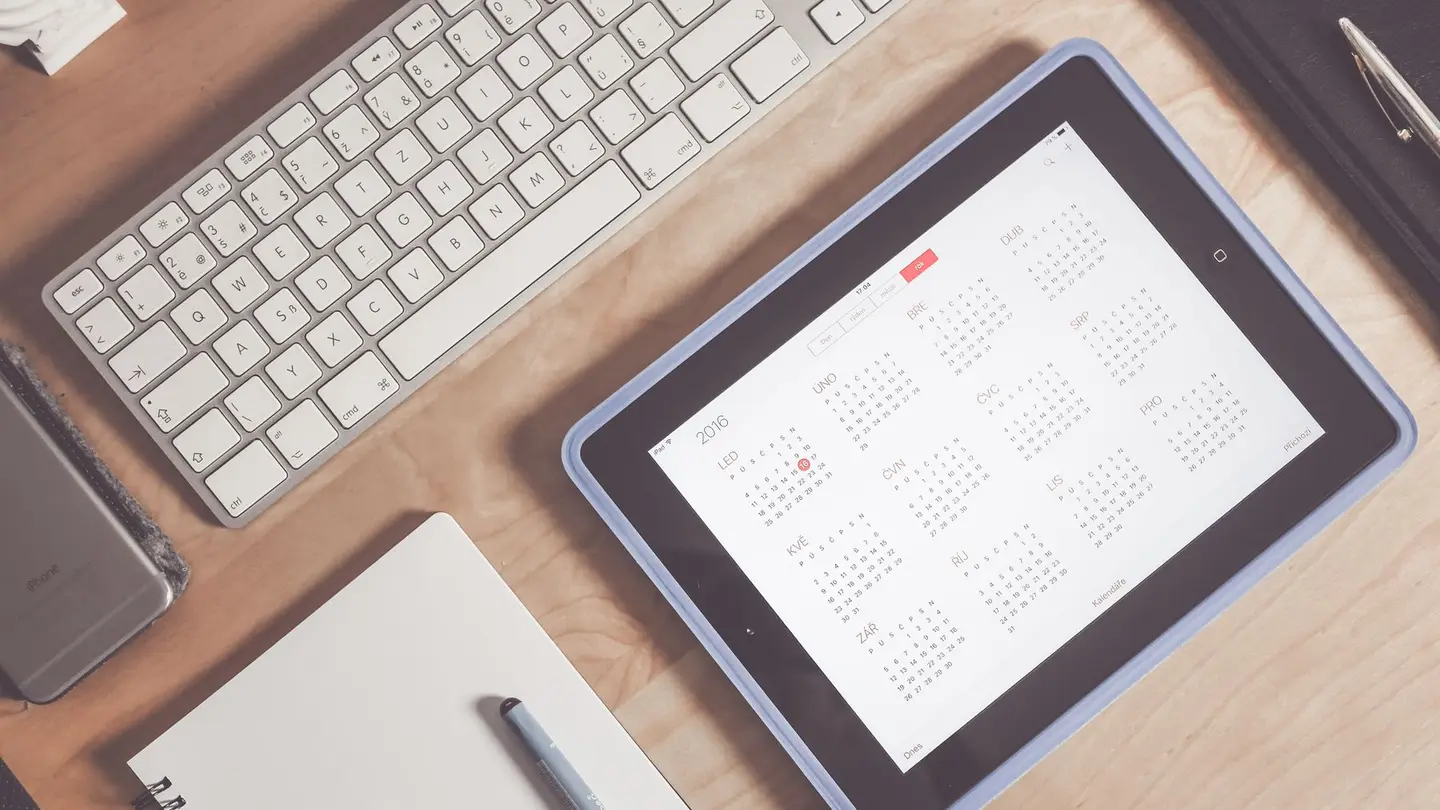
A booking website has the calendar built in: customers see the services with their price and duration, choose a free slot and book without calling. It suits any business that lives on appointments —hairdressers, physiotherapists, psychologists, beauty salons, driving schools— and, with a different calendar, rentals by the day or by the hour, such as cars, vans or storage units.
What sets it apart from a standalone booking link is that the booking happens where the customer is already seeing who you are and how much you charge. How it works, in online bookings, and what it costs, in how much a website with bookings costs.
Landing page, blog and portfolio: what you add to the website
A landing page is a page with a single goal: getting people who arrive from an ad, an email or a QR code to do one specific thing, such as booking a first consultation or asking for a quote for a job. It doesn't replace the website; it complements it when you run campaigns or want to push a service. If you don't advertise, it is enough for each service page to work like one. How to set one up inside your website, in landing page.
A blog is a section of the website with articles answering what people ask you: “how long does a sprain take to heal”, “what paperwork do I need to accept an inheritance”. It suits anyone in a trade with lots of questions —physiotherapists, nutritionists, lawyers, accountancy firms— and anyone who wants to be found on Google for more than their name. It takes consistency: one good article a month is better than ten at once and then nothing.
A portfolio is a gallery of finished work, each piece with its photos and what was done. It is the main website for photographers, designers, architects, interior designers or tattoo artists, and a very useful section for renovators, carpenters or painters, where a before-and-after photo is more convincing than any text. In a small business, a blog and a portfolio rarely stand alone: they are parts of the business website. What exactly a landing page is and when it pays off, in what is a landing page.
 Keep readingWhy your small business needs a website (and when it doesn’t)
How to choose the type of website for your business
A quick way to decide, depending on how you work:
- You take appointments: a business website with bookings.
- You go to the customer's home or work on quotes: a business website with a quote form, WhatsApp and a page for each area you work in.
- You sell products: an online shop, with collection in store if you have premises.
- You rent by the day or by the hour: a booking website with a calendar of what is available.
- Your work is visual: a business website with a good portfolio.
- You run advertising campaigns: add landing pages to the above.
- People ask you lots of questions: add a blog, whatever your case.
What type of website Agendra makes, and when something else suits you
Agendra makes dynamic websites that you change yourself from the dashboard, and each one works in one of four ways depending on the trade: with appointments, with quote requests, with rentals or with a shop. They can all have a blog, custom pages and blocks to show your work, such as the gallery or the before and after. If you run several businesses, you choose how many websites, up to 20, each with its own domain.
The shop doesn't take card payment when the order is placed: it is paid on collection, on delivery, by Bizum or by bank transfer. If you need to take card payments at the time of ordering, products with sizes and colours on a single listing or features programmed just for you, a bigger e-commerce platform or a custom website will suit you better. Everything else, each on its own page, in websites for businesses.
Frequently asked questions
What types of websites are there?
By how they are built, static and dynamic. By what they do: business website, online shop, landing page, blog, portfolio and booking website. A small business usually needs a mix, such as a business website with bookings, a shop or a gallery of work inside.
What is the difference between a static and a dynamic website?
A static website is fixed pages: to change anything you have to edit the files. A dynamic one is generated from a database and changed from a dashboard, and it is what makes bookings, a shop or a blog possible.
What type of website do I need if I take appointments?
A website with bookings: your services with their price and duration and a calendar where customers choose a free slot and book without calling you. If you also work in several areas or get asked a lot of questions, add area pages and a blog.
Websites for small businesses →
Related pages
More articles
SEO for AI search (GEO): what it is and what changes for a small business
GEO, AEO and LLMO explained without jargon, what stays the same, what changes, llms.txt and a checklist for your website.
Read the article →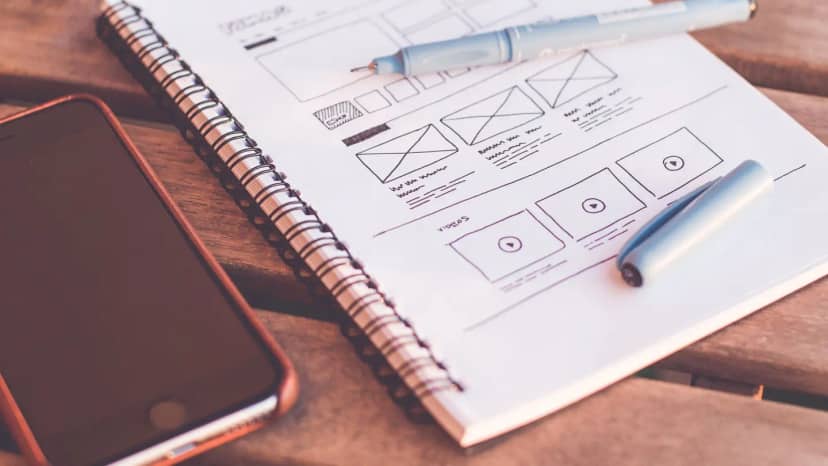
What a small business website should have
The structure, the parts that can’t be missing, the design elements that help people decide and what a small business website can do without.
Read the article →
How to get customers online for your small business
The quick wins (Google profile, WhatsApp, reviews, referrals), the slow one (Google search), advertising and the follow-up that closes sales.
Read the article →Your website, live in minutes
Free until your first customer or 6 months · No card · No commitment · Live in minutes