 24 October 2026
SEO for AI search (GEO): what it is and what changes for a small business
What SEO for AI, or GEO, is, how it compares with classic SEO, what really changes, whether llms.txt helps and how to measure it without expensive tools.
What SEO for AI is
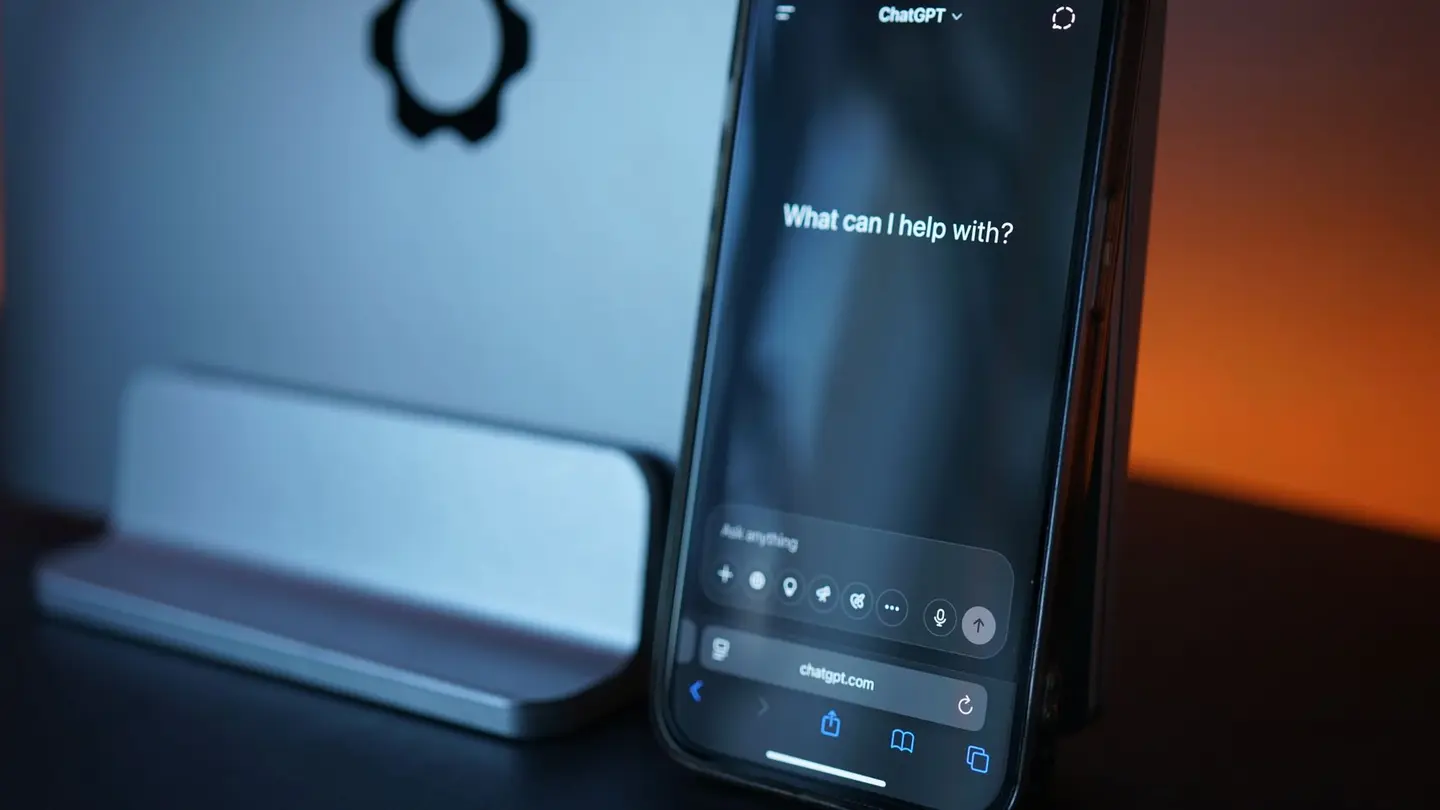
SEO for AI is what you do so that ChatGPT, Gemini, Perplexity, Copilot or Google’s AI summaries quote or recommend you when someone asks them about what you do. Classic SEO aims to get your website into the list of results; SEO for AI aims to get your business into the answer itself.
The difference matters because more and more searches end without a click: the person reads the answer and decides there. If the answer names three businesses and you aren’t one of them, it makes no difference that your website is fifth on Google.
GEO, AEO, LLMO: what SEO for AI is called
It goes by several names, and almost all of them mean the same thing:
- GEO (Generative Engine Optimization): optimizing for search engines that generate answers. It’s the most widely used name.
- AEO (Answer Engine Optimization): optimizing to be used as the answer; the term was already used for Google’s featured snippets and voice assistants.
- LLMO (Large Language Model Optimization): the same thing, seen from the language models behind ChatGPT or Claude.
- AIO, or “SEO for AI”: the short way of saying all of the above.
 Keep readingWhat a small business website should have
What doesn’t change: 80% is still SEO
AIs search the web with engines similar to Google and then read the pages they find. So everything that helped a website rank still counts: that it can be crawled, loads fast, that each page answers a specific search, that other websites mention you and that your details are the same everywhere. If your website doesn’t show up on Google or Bing for anything, an AI is unlikely to quote it.
We go through it step by step in how to rank your website on Google. What follows is what comes on top.
What does change
Five things carry more weight with AIs than with the classic search engine:
- Sentences that can be quoted on their own. The AI copies or summarizes a chunk of your page, so each section should start with the answer, not the introduction.
- Full questions. Nobody types “dentist Málaga” into ChatGPT: they type “which dentist in Málaga does implants and offers financing?”. Pages that answer questions like that, with a short answer, show up more.
- What others say about you outside your website. Reviews, directories, local press and forums carry a lot of weight, because the AI cross-checks sources before recommending.
- Specific, verifiable facts: prices, lead times, areas, years of experience, brands you work with. Vague statements don’t get quoted.
- Letting AI crawlers in. Many websites block GPTBot or ClaudeBot without knowing it, through robots.txt or a security plugin.

llms.txt: what it is and whether it helps
llms.txt is a text file placed at the root of a website (yourwebsite.es/llms.txt) that sums up, cleanly and without design, what the business is, what it does, where, and which pages matter. It’s a 2024 proposal, not a standard, and none of the big search engines has said it uses it to decide who to recommend.
Is it worth it? It costs little and does no harm: some AI tools read it when they find it, and it forces you to write down what you do in ten lines, which is a good exercise in itself. But it doesn’t replace any of the above: a confusing website with a perfect llms.txt is still a confusing website.
How to measure SEO for AI without expensive tools
Paid tools that measure “AI visibility” exist, but for a small business this is enough:
- A list of ten questions your customer would ask, which you put to ChatGPT, Gemini and Perplexity every month, in a new conversation. Note whether you appear and what they say.
- Your website analytics: visits arriving from chatgpt.com, perplexity.ai or gemini.google.com show up as the source.
- Search Console: Google’s AI summaries count as normal search impressions, so if one of your pages gains impressions without gaining clicks, it may be getting quoted.
- Asking new customers how they found you. “ChatGPT told me about you” is already something you hear.
 Keep readingTypes of websites: which one your business needs
A checklist for your website today
If you only have one afternoon, go through this in order:
- robots.txt lets in GPTBot, OAI-SearchBot, ClaudeBot, PerplexityBot and Google-Extended.
- The first sentence on the home page says what you do and where.
- Every service has its own page, with its price or a “from” price.
- There are frequently asked questions with two- or three-sentence answers.
- Your name, address and phone number are the same on your website, on Google, on Bing Places and on Apple Business Connect.
- The website is registered in Google Search Console and Bing Webmaster Tools, with its sitemap.
- You have recent reviews, and you’ve replied to them.
With Agendra
Every Agendra website comes with everything on that list except the reviews already done: robots.txt open to AI crawlers, its own llms.txt with your services and prices, local business structured data, a page for each service and each town, frequently asked questions and registration in Search Console. Reviews are still up to your customers; what Agendra does is make it easy for you to ask for them.
And measuring it: in your dashboard, under Rankings, we ask an AI with web search what your customer would ask it, and you see whether it names you, who it names instead and which websites it takes the answer from. How we do it, in GEO for your business.
Frequently asked questions
What is GEO in marketing?
GEO stands for Generative Engine Optimization: optimizing your website and your online presence so that the AIs that generate answers, such as ChatGPT, Gemini or Google’s AI summaries, quote or recommend you.
Does SEO for AI replace classic SEO?
No. AIs search with search engines and read the pages they find, so almost all classic SEO still counts. On top of it come sentences that can be quoted on their own, answers to full questions and what other websites say about you.
Do I need an llms.txt on my website?
It isn’t essential: it’s a proposal, not a standard, and the big search engines haven’t said they use it for ranking. It costs little to have and some AI tools read it, but it doesn’t replace a clear website.
See whether AI recommends your business →
Related pages
More articles
How to get customers online for your small business
The quick wins (Google profile, WhatsApp, reviews, referrals), the slow one (Google search), advertising and the follow-up that closes sales.
Read the article →
Online booking or WhatsApp: which wastes more of your time?
Managing bookings on WhatsApp feels easy until the business grows. What changes with an online booking calendar.
Read the article →
What is a landing page? Examples for a small business
A page with a single goal: how it differs from a website, when you need one, the types there are and examples for small businesses.
Read the article →Your website, live in minutes
Free until your first customer or 6 months · No card · No commitment · Live in minutes