Pricing, bookings and visibility, explained without the hype
Practical articles for freelancers and small businesses: what a website costs, how to cut no-shows, how to show up on Google Maps and how to choose between a custom website and a template.



How to get your business recommended by ChatGPT, Gemini and Perplexity
How an AI decides who to recommend, four steps to get it to name you, how to check whether you already show up, and what doesn’t work.
Read the article →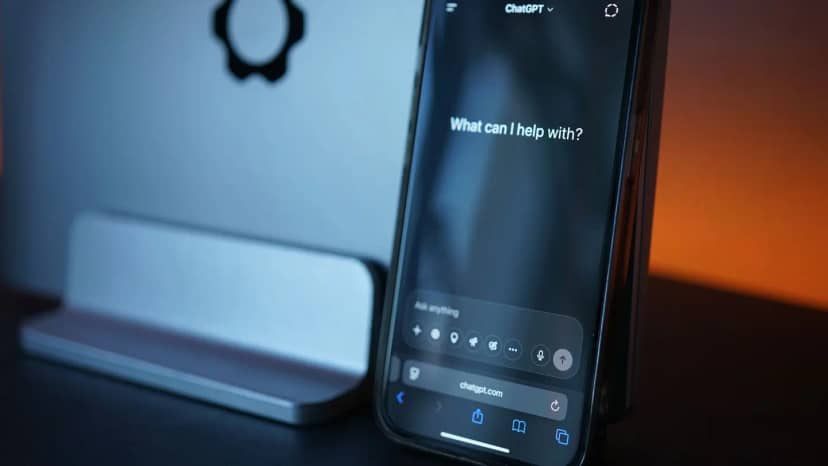
SEO for AI search (GEO): what it is and what changes for a small business
GEO, AEO and LLMO explained without jargon, what stays the same, what changes, llms.txt and a checklist for your website.
Read the article →
How to respond to Google reviews, with examples
Where to reply, the rules that apply to every review, examples to copy and adapt, what to do about a fake review and whether to use AI.
Read the article →
Client prospecting: how to find businesses to sell to
Your ideal client, where to find businesses, the signals that say “now”, cold email templates, Spain’s LSSI and the follow-up that closes.
Read the article →
How to schedule LinkedIn posts (profile and company page)
Scheduling step by step, personal profile or company page, what to post, how often, tools, and why you shouldn’t automate messages.
Read the article →
How to improve your business’s online presence
Where a customer can find you, a twenty-minute check-up, the foundations, each channel in order and a thirty-day plan.
Read the article →
How to create a website for your business, step by step
The steps in order, from deciding what the website is for to submitting it to Google, and the three ways to build it: WordPress, a website builder or an agency.
Read the article →
How to rank your website on Google if you are self-employed
What really moves a small website on Google, with no tricks or guarantees: pages that answer searches, titles, your profile, reviews, measuring and patience.
Read the article →
What is a landing page? Examples for a small business
A page with a single goal: how it differs from a website, when you need one, the types there are and examples for small businesses.
Read the article →
What a small business website should have
The structure, the parts that can’t be missing, the design elements that help people decide and what a small business website can do without.
Read the article →
Types of websites: which one your business needs
The types of website there are, explained for small business owners, and how to tell which one you need, which is often a mix.
Read the article →
Why your small business needs a website (and when it doesn’t)
What a website does that a Google Business Profile and Instagram don’t, when you need one, when you can wait, and what it has to include to be any use.
Read the article →
How to promote your website without spending on ads
Put it where people already see you, register it with Google, get links from your area, write about what you’re asked and measure what works before paying for ads.
Read the article →
Common website mistakes that drive customers away
No prices, no visible phone number, slow on mobile, endless forms, untouched template text: how to check your website and what to fix first.
Read the article →
How to sell online: what to sell, where and how to start
Which products sell well at a distance, the three places to sell, what to have sorted before the first order and which tool suits each case.
Read the article →
How to register a domain name, and how much it costs
What it is, how to choose one, .es or .com, where to buy it, what it costs each year, whose name it must be in and how to connect it to your website.
Read the article →
How to choose a business name you won’t regret
Easy to understand over the phone, says what you do or where, domain and social handles free, and what to check with Spain’s companies register and the OEPM.
Read the article →
How to create an online booking calendar for your business, step by step
Services with their duration, your hours, buffers between appointments, alerts and where to put the link so people book without calling you.
Read the article →
How to move from WhatsApp appointments to online booking
The switch in four steps, the message to tell your clients and what to do with people who keep writing to ask for a time.
Read the article →
How to add a booking link to Instagram
Your bio, the link sticker in stories, a pinned highlight and saved replies: the four places people book from on Instagram.
Read the article →
How to take a deposit for appointments without losing clients
Which services to ask it for, percentage or fixed amount, how to ask and when it is refunded: a deposit that reduces no-shows without scaring anyone off.
Read the article →
Appointment reminder messages: WhatsApp and email examples
Messages ready to copy: confirmation, reminder, first appointment, rescheduling, after the visit, to a no-show, a garage reminder and phrases to confirm.
Read the article →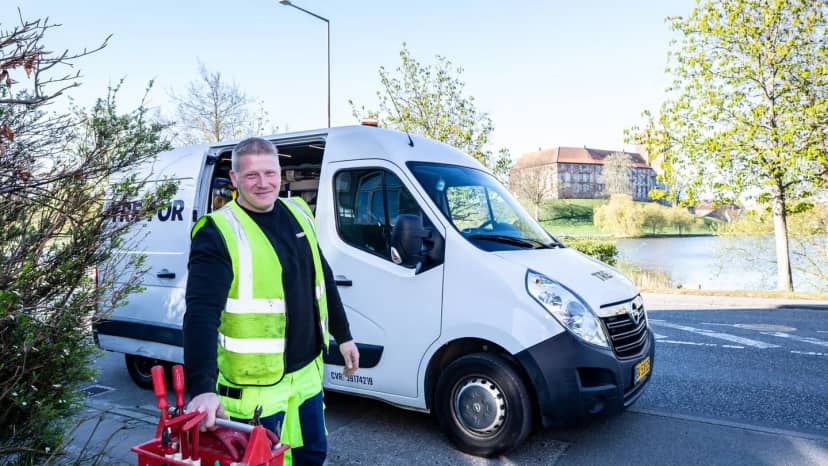
How to organise appointments if you work at clients’ homes
A buffer for the journey, the areas you cover, the address in every booking and how to group visits by neighbourhood so you do not spend the day in the car.
Read the article →
What to put on a law firm website, and what to leave off
Each practice area on its own page, the first consultation explained, the details your legal notice must carry and the limits on advertising as a lawyer.
Read the article →
Free or paid initial consultation: what works for a lawyer
Free brings in more people, paid filters better, and there is a middle option. What matters is saying it clearly before they book.
Read the article →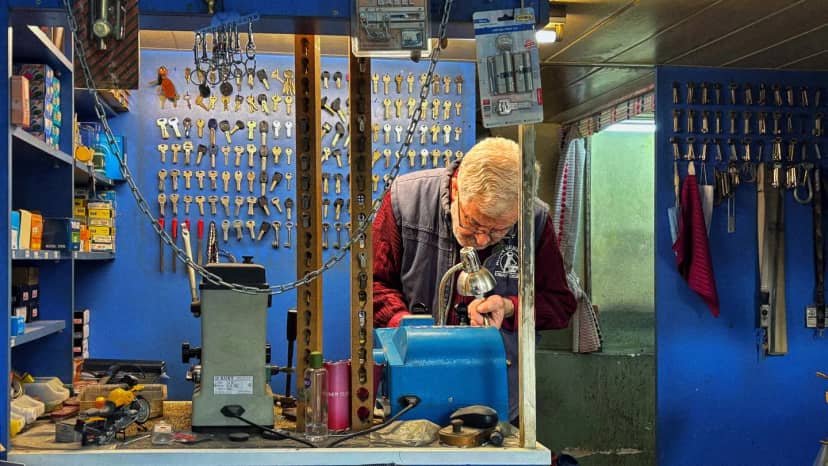
How to get locksmith customers without paying for every lead
Google Business Profile, phone and WhatsApp in plain sight, pages per town, reviews and the customers who call back all year round.
Read the article →
Location pages for locksmiths, without copying the text
One page for each town you really cover, each with its own content: the mistake of copies and what to say on each one.
Read the article →
How to get clients for a renovation business and win more jobs
Where the work is, finished jobs on show, pages per type of renovation, Google Business Profile, reviews, referrals and quote request platforms.
Read the article →
How to reply to a renovation quote request
Speed, the right questions, the site visit, the itemised quote and the follow-up: what decides which company the client picks.
Read the article →
How to get clients for a moving company
People look for movers with a date in mind: show up in time, explain what each type of move includes, and build trust with photos and reviews.
Read the article →
Moving company peak season: how to organise your schedule
Month-ends and summer fill up first: how to book dates without double-booking and without losing people who ask late.
Read the article →
How plumbers should charge a call-out fee, and how to say it
Flat, by zone or within the first hour: each approach suits a type of customer. What cannot happen is the customer finding out when paying.
Read the article →
Homeowners’ associations: steady, year-round work for plumbers
Downpipes, meters, booster pumps: apartment buildings call all year round. Who decides, and how to reach them.
Read the article →
How to get customers online for your small business
The quick wins (Google profile, WhatsApp, reviews, referrals), the slow one (Google search), advertising and the follow-up that closes sales.
Read the article →
Lead generation: what it is, with examples for small businesses
What a lead is, how a small business gets them and what to check before buying leads or hiring an agency.
Read the article →
How to verify your business on Google, step by step
Step by step, what to film in the video, how long it takes, what to do if the code does not arrive and if someone else owns the listing.
Read the article →
How to get Google reviews without asking for favours
When to ask, how to ask, how to reply to bad ones and what Google punishes.
Read the article →
How to show up on Google Maps when people search for your trade
The three factors that decide who shows up on the map, and what you can do about each one.
Read the article →
Google Business Profile or a website: why you need both
What the listing does, what it cannot do, and why having only one of them loses you customers.
Read the article →
How much does a website cost for a freelancer in Spain?
Agency, freelance designer, template or do it yourself: what each route costs, upkeep and the domain, and when each one pays off.
Read the article →
How to stop clients not showing up for appointments
A reminder, a deposit and a clear policy: what reduces no-shows without having to chase anyone.
Read the article →
Google Business Profile: what it is and what it should include
What makes you show up on Google Maps with your hours, photos and reviews, and how to make the most of it alongside your website.
Read the article →
Online booking or WhatsApp: which wastes more of your time?
Managing bookings on WhatsApp feels easy until the business grows. What changes with an online booking calendar.
Read the article →
Custom website or template: which to choose if you are self-employed
Not every custom website is justified and not every template is limited. What really sets them apart.
Read the article →
Calendly, WhatsApp or your own website: what works best for appointments
Calendly solves the booking link; WhatsApp solves trust. Neither gives you the website where someone decides to hire you.
Read the article →
How much does an online store cost for a small shop?
A marketplace with a commission per sale or your own store with a fixed fee: the numbers change a lot depending on how much you sell.
Read the article →
How to avoid double bookings in a hair salon
Two appointments in the same slot is almost always writing them in two places at once. How to avoid it without changing your method.
Read the article →
How to reduce last-minute cancellations in your business
Cancelling two hours before leaves the same empty slot as not telling you. What reduces late cancellations.
Read the article →
How to organise your clients’ appointments without wasting time
It is not just having an online calendar: it has to respect how you really work. Three settings that make it organise itself.
Read the article →
How to start an online store from scratch for your business
No complex payment gateway: you upload products with a photo and a price, and the order reaches you so you can prepare it yourself.
Read the article →
How to sell online if you have a physical store
You do not need real-time stock syncing to start: a manual check at the end of the day is enough.
Read the article →