 17 September 2026 · Updated 6 October 2026
How much does a website cost for a freelancer in Spain?
The price of a website: what it costs to build and to keep each year, the domain, Agendra’s prices in figures and what it should include.
Three ways to get a website, and what each one costs
A freelancer —an autónomo, as self-employed people are called in Spain— who looks for «a website» comes across very different prices depending on who they ask, and the difference is not always clear. It helps to separate three routes, because they do not compete with each other in the same way.
An agency or a freelance designer who builds the website from scratch usually charges an upfront fee for the project, plus a monthly maintenance fee if anything needs changing later. The range is wide because it depends on how many pages it has, whether it includes a shop or bookings, and on the experience of whoever builds it.
A template-based website builder, like the one this very text uses to explain itself, charges a fixed monthly fee, usually with a limited free plan and a paid one with your own domain. You change the texts and photos whenever you want, without depending on anyone, with the template for your trade already set up.
And there is the option of having no website and using only social media or a listing in a sector directory. It costs nothing at first, but it is not yours either: if that network changes its rules or disappears, you are left with nothing to show.
What makes a custom project more expensive
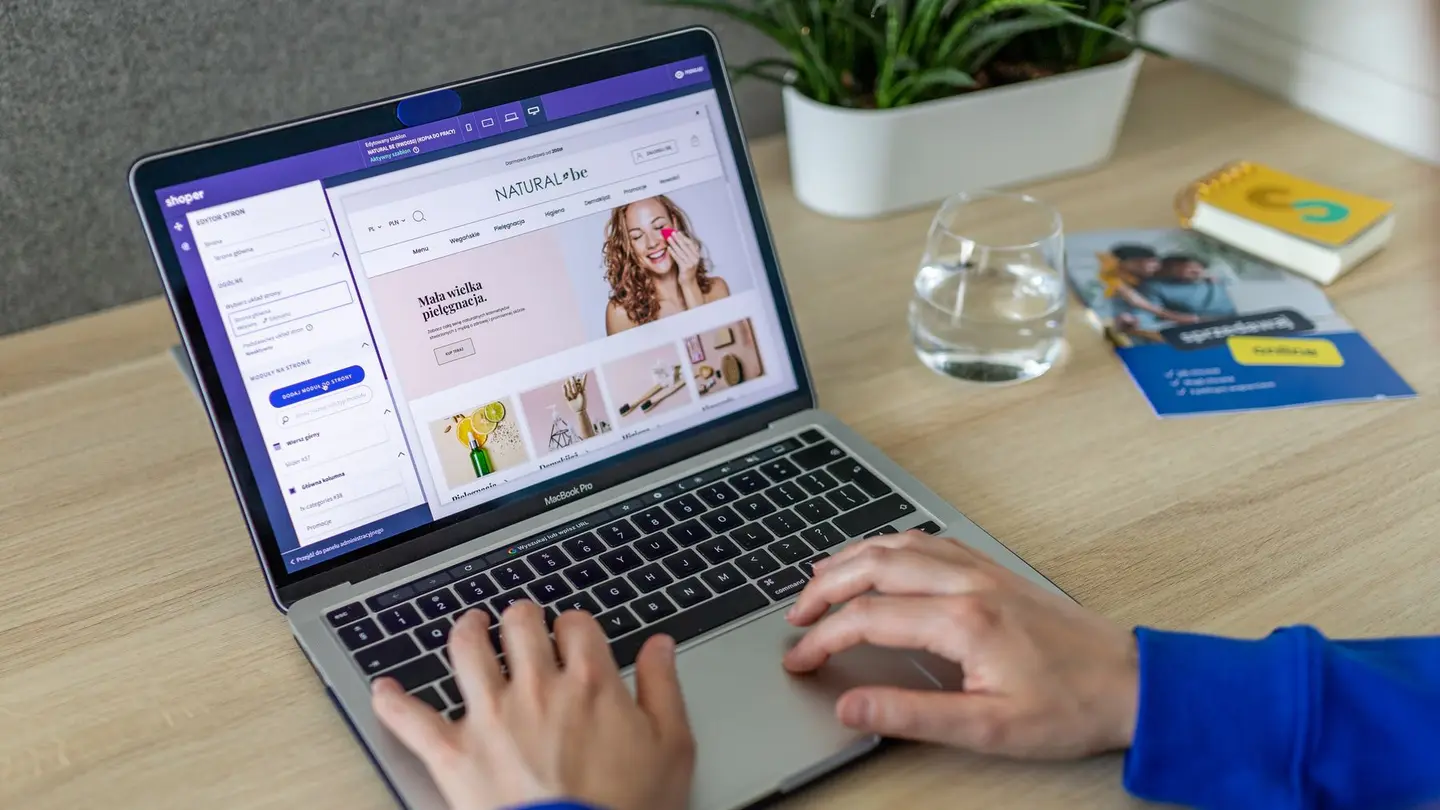
The price of a custom website goes up mainly because of three things: how many different pages need laying out, whether it needs a shop or its own booking system, and how much design time goes into making it look different from any other.
What is not always visible at the start is maintenance: a security issue, a price change or a new service to add can mean contacting the person who built it again, and it is not always free.
 Keep readingHow to create a website for your business, step by step
How much it costs to maintain a website, year after year
The starting price is what people compare; maintenance is what you pay for years. With a website built on WordPress or another self-hosted system, you have to renew the hosting, update the software, the theme and every plugin, make sure the security certificate renews and take backups. Either you do it, or you pay whoever built it a fee to do it.
Then there are content changes: a new price, a service you add, this year’s photos. If every change goes through someone else, each one has its cost and its wait. With a template builder, hosting, the certificate and backups are included in the fee, and you make the changes yourself from the dashboard. These are the items that come back every year, whoever pays for them:
- Hosting: the server where the website lives. If it is slow or goes down, this is almost always why.
- Domain: your address, which renews every year.
- Updates and backups: of the software, the theme and every plugin.
- Paid plugins: bookings, forms or a shop, often with a yearly licence.
- Content changes: your time, or the time of whoever maintains it for you.
The domain: what it is, how you pay for it and who owns it
The domain is your address —yourbusiness.es or yourbusiness.com— and you pay the registrar for it once a year, whoever builds your website. It is usually the smallest cost on the list, but it has two traps: check the renewal price and not just the first year’s, which is often discounted, and make sure the domain is in your name and not in the name of whoever builds the website.
A .es says you work in Spain and a .com works anywhere; for a local business either one is fine if it is short and easy to understand when you spell it out on the phone. And if one day you switch tools, the domain goes with you: it is pointed at the new website and the address you have already handed out keeps working.

What it costs with Agendra, in figures
So the comparison has numbers: with Agendra, the Trial plan costs €0 and asks for no card; your website goes live at yourbusiness.agendra.digital with your services, your hours and your bookings, for 6 months or until your first customer. The Professional plan is €65 a month plus VAT (€78.65 including VAT) and adds your own domain, a page on Google for every town you work in, Search Console set up for you, Agendra AI and weekly marketing (Google Calendar connects on every plan); the free website already shows up on Google. If you run several businesses, you choose how many websites, from 1 to 20, at €65 each: 5 websites are €325 a month and 10, €650, also plus VAT.
We buy and connect the domain for you when you subscribe, for €15 plus VAT as a one-off payment; if you already have one, you connect it yourself. There is no setup fee, no minimum term and no commission per booking, and hosting, the certificate and backups are included. What no plan does for you is tell people what makes you different: the way you work, your photos and your customers’ reviews. All the plans, with their FAQs.
 Keep readingHow to register a domain name, and how much it costs
What it should include, whatever you pay
Whichever route you take, there are things a freelancer’s website needs and that you should have in writing before paying anything:
- Your own domain, in your name, and the website on https.
- Easy to read on a phone, which is where people will look for you.
- Your services or products with their price, or at least a starting price.
- A way to act without calling: book, buy or ask for a quote.
- Your phone number and WhatsApp one tap away, your opening hours and how to get there.
- The legal notice and privacy policy, which the law requires as soon as you collect a customer’s data.
- The ability to change texts, prices and photos without depending on anyone.
- Search Console set up, so you know which searches people find you through.
When each option pays off
If your business needs something very particular —its own calculator, an integration with an internal system— a custom website makes sense, and the cost is justified.
If what you need is for customers to find you, see your services or products with their price, and book or order without calling you, a template builder does the same for a fraction of the upfront cost, live in minutes instead of weeks. If you are still torn between the two, here is the full comparison; and if what you need is a booking calendar inside the website, here is what a booking website costs, item by item.
- A business with a very particular website and the budget to maintain it: custom website.
- A business that needs to be online now, with bookings or a shop, and to be able to edit it yourself: template with a monthly plan.
- A business that just wants to test whether being online pays off: start free and decide later.
Frequently asked questions
How much does a website cost for a freelancer in Spain?
It depends on who builds it and what it includes: design, domain, hosting, maintenance and, if needed, bookings. With a tool made for freelancers you can start for free; with Agendra, your own domain comes with the Professional plan, at €65 a month plus VAT, with everything included.
What costs does a website have besides building it?
The domain every year, hosting, updates and, if it is custom-built, every change you ask for. It is what people forget most when comparing quotes.
Is a free website any good for a business?
It is good for getting started and for letting your customers book. To show up on Google under your own brand you need your own domain, which is what paid plans usually include.
Related pages
More articles
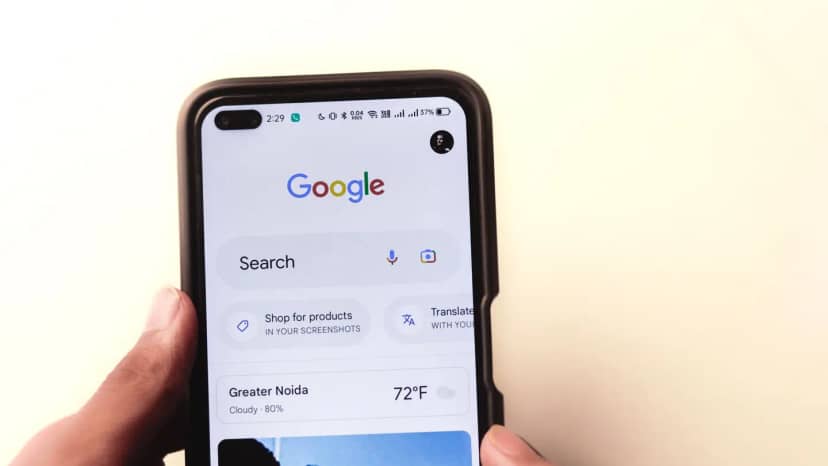
Google Business Profile or a website: why you need both
What the listing does, what it cannot do, and why having only one of them loses you customers.
Read the article →
How to choose a business name you won’t regret
Easy to understand over the phone, says what you do or where, domain and social handles free, and what to check with Spain’s companies register and the OEPM.
Read the article →
How to get customers online for your small business
The quick wins (Google profile, WhatsApp, reviews, referrals), the slow one (Google search), advertising and the follow-up that closes sales.
Read the article →Your website, live in minutes
Free until your first customer or 6 months · No card · No commitment · Live in minutes